Tom Buhr is a Michigan writer, angler, and conservationist living in the Au Sable Valley.
His work has appeared in Field & Stream, Michigan Out of Doors, and Midwest Fly Fishing, among others, and earned him the Sierra Club's Award for Conservation Journalism.
He is the author of the Spinnerfall thriller The Outgoing and the river histories The Big Water and The New Au Sable, two of which have won Silver Medals in the Global Book Awards.


AVAILABLE NOW
2026 Global Book Awards Winner
AVAILABLE NOW 2026 Global Book Awards Winner

2026 Global Book Awards
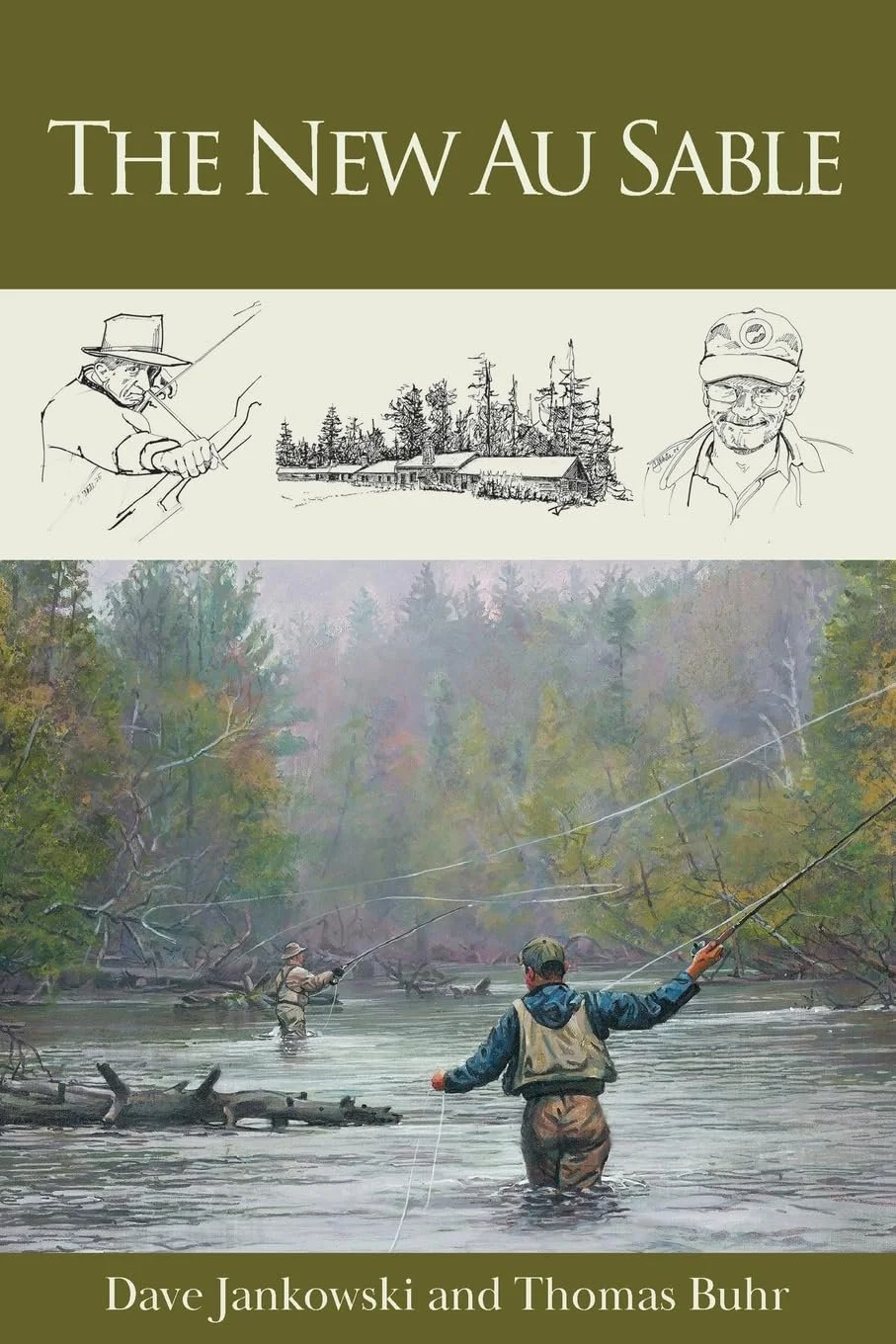
The New Au Sable explores the history of this world-famous river over the past century. The timeline extends from the nineteenth century to present Day.
There is an extensive review of the Au Sable's famous fishing guides, fly tyers, and lodges. There is also a chapter on the revival of bamboo rod making, that like so many elements of fly fishing, has its roots in this river.
bestseller
bestseller

THE OUTGOING, THE FIRST BOOK IN THE SPINNERFALL SERIES, INTRODUCES THREE OLD FRIENDS, MIRED IN MIDLIFE CRISES. THEN, A VICIOUS MURDER CHANGES EVERYTHING.
Deep in the woods of northern Michigan, a brutal cold case offers them a second chance at purpose, if what's hiding out there lets them keep it.
coming soon
the sequel to The Outgoing
coming soon the sequel to The Outgoing
Three years on, the case that made them is behind them.
Arthur Jenkins has returned to his writing, set on saving Michigan's wild places from the ruin he once watched take Florida. Ed Fletcher is consumed by a lawsuit against a pharmaceutical giant. Zac Phoenix has traded the north woods for the glare of the television studio. Life has settled back into its familiar shape, which is precisely when change comes creeping to the edge of the campfire. Then, on the opening day of trout season, Arthur wades into the current and finds something that has no business being there, and the game is afoot again.
KIRKUS review
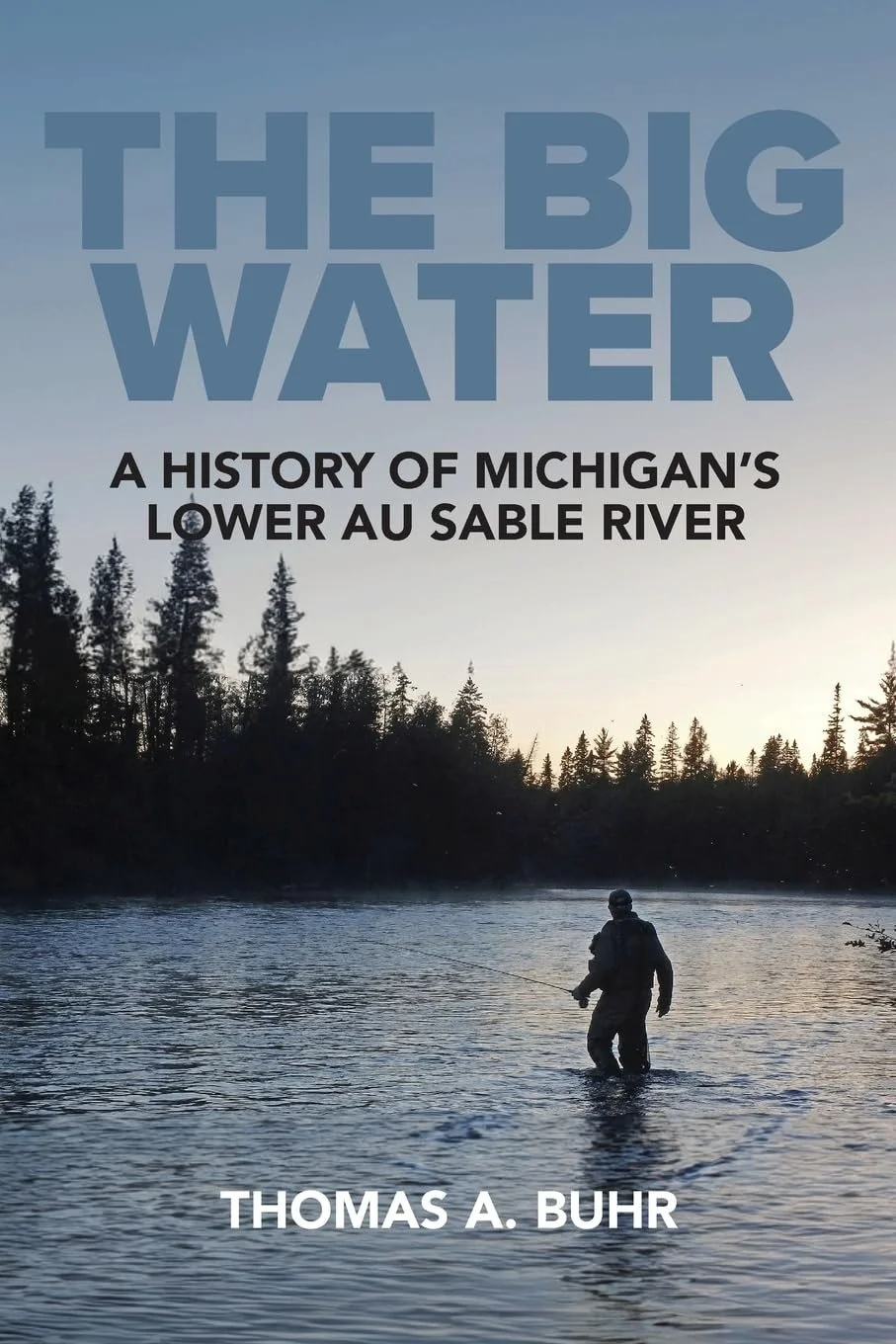
of THE BIG WATER
“Drawing on his expertise as a conservationist and angler (as well as his undergraduate degree in history), Buhr takes a nuanced, thoughtful approach reflective of someone who recognizes the Au Sable’s inherent natural beauty and has reckoned with its legacy as a resource both respected and abused by humans.”
-
A veteran angler and writer reflects on the history of a beloved Michigan river in this nonfiction book.
Stretching across Michigan’s northern Lower Peninsula, the Au Sable River is widely heralded by anglers as one of the best brown trout fisheries east of the Rocky Mountains. In this sweeping yet personal history, Buhr traces the river’s intersections with humanity across more than 10,000 years. The book opens with the history of the river’s earliest known settlers as the author describes the arrival of humans following the post–Ice Age thaw that brought Indigenous Americans to the Great Lakes region. Buhr discusses the pre-Columbian Hopewell civilization, highlighting their burial mounds, high-quality pottery, and refined tools made of flint, obsidian, and bone. After this opening chapter, which takes a broader perspective, given the dearth of sources on Indigenous history, the volume pivots to a self-described “grassroots history” with “some grasstops perspective” as the author places the river within the wider context of American historical events. Arranged chronologically, the narrative provides chapter-length overviews of the river’s role in the nascent fur and lumber industries as it served as a vital “highway” for European colonists and American citizens in the 18th and 19th centuries. In the early 20th century, the Panic of 1907 and industrialization contributed to the development of hydropower along the river, while the New Deal of the 1930s provided Civilian Conservation Corps funding and labor to revitalize the region’s forests after decades of lumbering. Emphasizing the river’s connections to major events in U.S. history to provide a narrative framework, Buhr introduces readers to a host of fascinating characters significant to the region’s history. Readers learn about professional baseball player Roxey Roach, who was “far more adept at outdoor skills” than he was at athletics; he fell in love with fly-fishing on the river alongside Detroit Tigers pitcher Miles Main. There’s also Prohibition-era musician and self-proclaimed “jazzologist” Boyd Senter, who became a local legend by selling polished rocks and making fishing flies, including a series of patterns commissioned by an executive of the Ford Motor Company that were named after the Edsel, the Thunderbird, and other cars. The work concludes by bringing readers into the present—today, the river is defined by its role as a center of outdoor recreation and tourism.
A prolific author, Buhr has published works ranging from a novel to freelance pieces for some of the nation’s leading fishing magazines, including Field & Stream and The Fisherman. He also served as the editor of The Riverwatch and received the Sierra Club’s Award for Conservation Journalism in 2011. Drawing on his expertise as a conservationist and angler (as well as his undergraduate degree in history), Buhr takes a nuanced, thoughtful approach reflective of someone who recognizes the Au Sable’s inherent natural beauty and has reckoned with its legacy as a resource both respected and abused by humans. A well-researched history, the volume is supported by more than 450 endnotes citing sources that range from archival materials to oral history interviews.
The engaging text, replete with intriguing anecdotes exemplary of microhistory at its finest, is accompanied by dozens of photographs, maps, and excerpts from primary sources. A definitive history of one of Michigan’s premier rivers.